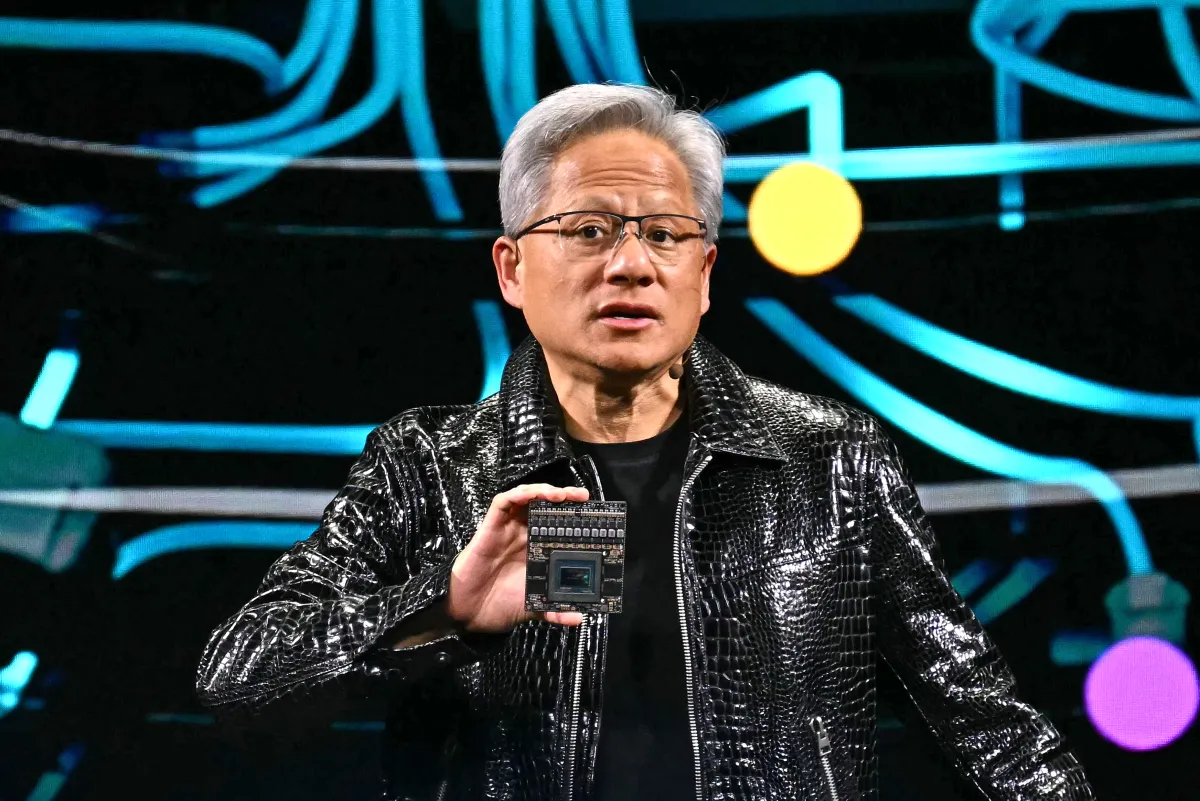
Nvidia has agreed to buy Hugging Face for $12. 9 billion, The Information reported Wednesday night, citing a source familiar with the matter. Business Insider, which first reported over the weekend that Hugging Face was fielding takeover interest, reported Wednesday night that the talks — which would value the company at more than $13 billion — had not yet produced a signed agreement and could still atomize . TechCrunch reached out earlier to both Nvidia and Hugging Face for comment, and neither has yet responded.
(Nvidia's silence is particularly noteworthy here as the company has moved quickly in the past to address reports it considers inaccurate. ) Maybe it was destined from the start. Hugging Face, founded in 2016, is one of the most popular hubs where developers share and download open-source AI models. Buying it would give Nvidia a strong foothold in the world of open-source AI, right as open-source developers are doing their level best to catch up to closed AI systems from companies like Anthropic and OpenAI. Why would Nvidia want that?
Most obviously, it comes down to protecting its dominance in AI chips, which, from the outside at least, appears increasingly at risk, even with Nvidia's aggressive chip-release schedule. Pretty much all of the biggest closed-source AI labs (OpenAI, Google, Amazon, and Anthropic) are now in the process of building their own AI chips to lessen their reliance on Nvidia. A thriving ecosystem of open-source AI models gives customers more alternatives to those closed labs, which in turn keeps more of the market dependent on Nvidia's hardware.
That's also why Nvidia has already poured tens of billions of dollars into building its own open-source AI models. Should we be surprised that Hugging Face's days as an independent outfit appear numbered? Hugging Face CEO Clem Delangue has spent much of this year publicly aligned with Nvidia's open-source push, amid a debate that has been building for months, as Washington officials reportedly weighed restrictions on open-weight models. (Chinese labs like Moonshot AI had released systems — like its Kimi K3 model — that matched leading U.